
Where Can I Find Safe Women's Health Apps, Trackers and Wearables?
The short answer: start with a directory that independently reviews the app before you download it, not after. SheRanked is built for exactly this, every app in the directory has been assessed against the same 74-question, doctor-designed framework, covering medical credibility, data privacy, ethics, accessibility, and behavioural impact, before it ever gets a star rating.
That matters because there are now more than 10,000 women's health apps on the market, with roughly 1,200 new ones launching every year. Most app stores rank by downloads and reviews, not by whether the app is medically sound or handles your data responsibly. Those are very different questions, and only one of them is being answered by star ratings on the App Store.
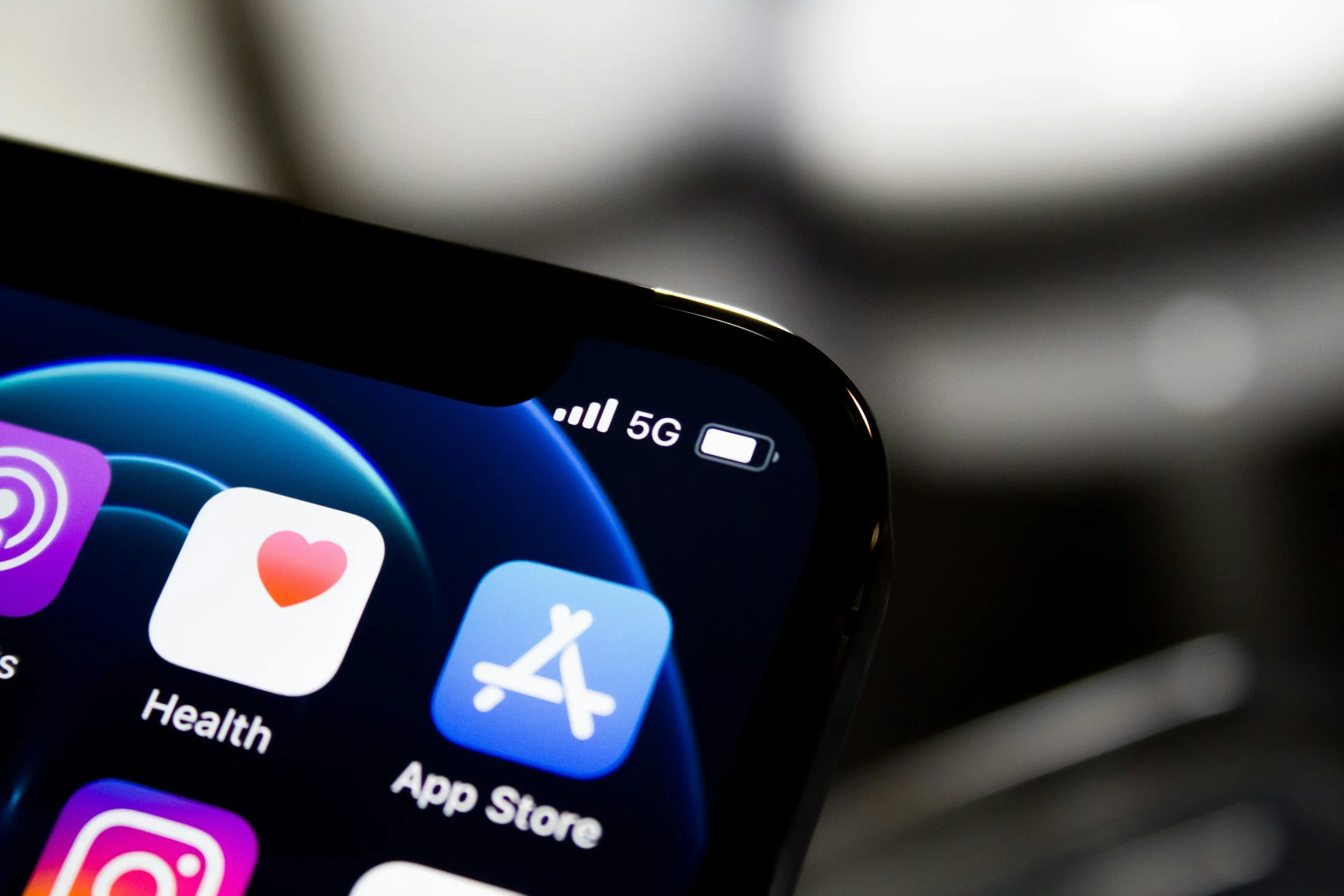
Why you can't judge "safe" from the app store listing alone
App store reviews tell you whether people liked using an app. They don't tell you whether the health advice inside it is clinically accurate, whether your cycle data is being sold to advertisers, or what happens to your information if the company is acquired. A five-star rating and a five-star SheRanked score are answering completely different questions, and it's entirely possible for an app to have both, or neither.
This is also true for wearables and connected trackers. A device like an Oura Ring or a Fitbit is only ever as private as the app it reports to. The hardware collects the data, but it's the companion app's privacy policy, data-sharing agreements, and security practices that actually determine where that information ends up.
Where to actually look: an independent app directory
SheRanked's directory lets you search or browse by category, including period trackers, menopause apps, and fertility and IVF apps, rather than starting from a generic app store search. Each listed app carries a doctor's note and a star rating out of five, so you can see at a glance whether an app is clinically credible before you install it.
How the rating actually works:
Every app is assessed against the same 74-question framework, so results are comparable across apps, not judged case by case
The framework covers five domains: medical credibility, ethical standards, data privacy and protection, user accessibility, and behavioural impact (whether the app supports healthy decisions or creates anxiety and dependence)
Real user feedback from women who've actually used the app is factored into the score, not just a technical policy review
The process is checked by a qualified clinician, so it isn't purely automated
Scores are independent: no app can pay for a better rating, and apps are re-reviewed annually so a score reflects current practice, not a policy from two years ago
Apps that score a full five stars carry the SheRanked-Approved Gold Badge, which is the fastest visual signal that an app has been independently vetted on both medical and data-privacy grounds.
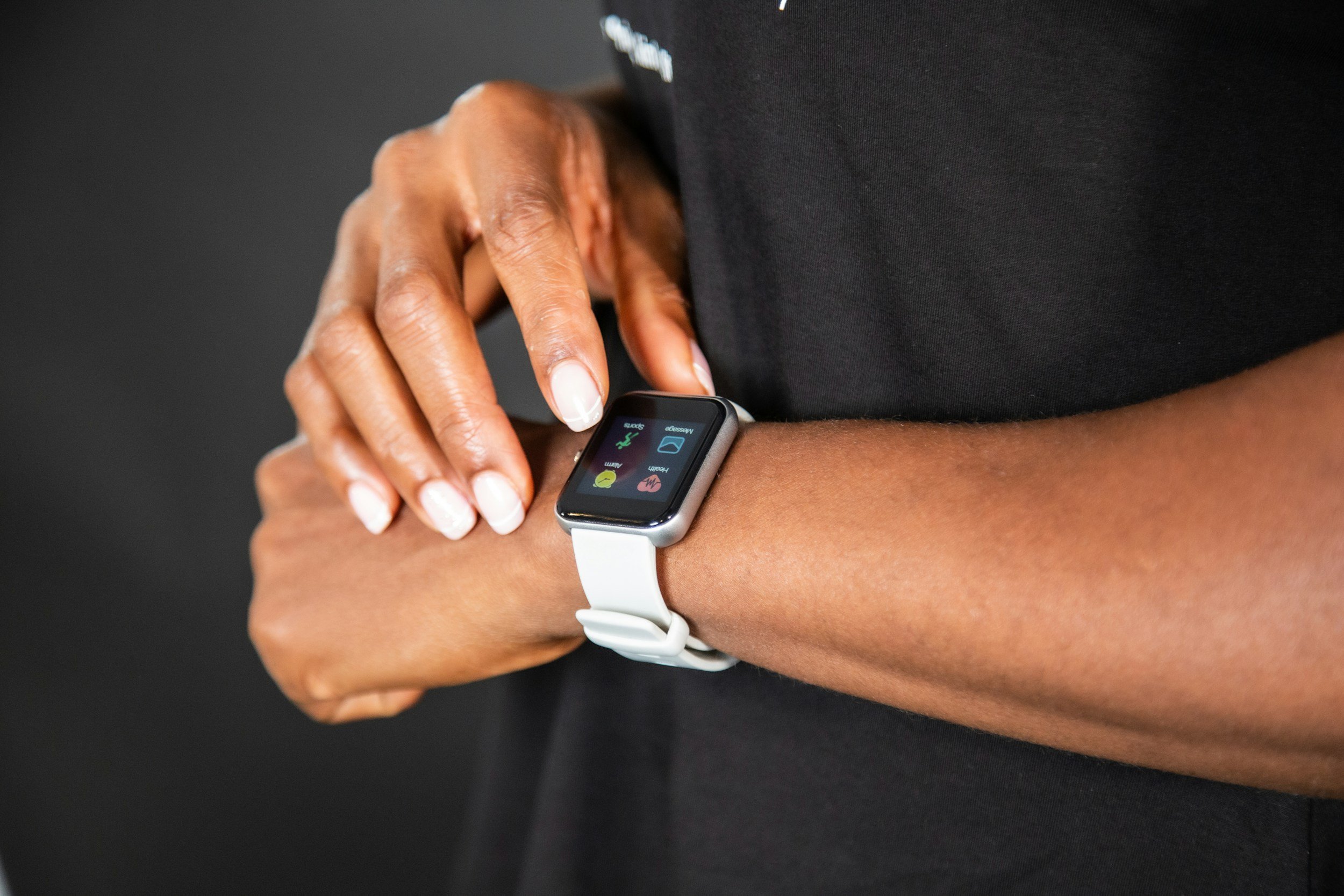
What about trackers and wearables specifically?
SheRanked's reviews focus on the app layer, since that's where your data actually gets stored, shared, or sold, but wearable compatibility is part of what gets assessed. For example, the review of Apple's built-in Cycle Tracking notes exactly which wearables and connected devices it works with, including Apple Watch, Oura Ring, Fitbit, Garmin, and Withings devices, alongside compatible medical devices like blood pressure monitors and continuous glucose monitors.
The practical takeaway: if you're choosing a wearable for cycle, fertility, or general health tracking, look up the app that device pairs with, not just the hardware itself. The wearable measures; the app decides where that measurement goes.
A quick checklist if you're evaluating an app yourself
Not every app has been reviewed yet, 1,200 new ones launch every year, so it's worth knowing the basics for anything you check yourself:
Who else does the app share your data with, and is that sharing opt-in or the default?
Can you fully delete your data, including backups, not just deactivate your account?
Is the health information behind the app backed by named medical professionals or credible sources?
What happens to your data if the company is acquired or shuts down?
For the full breakdown of what to check and why, see our guide on how to know if your data is safe in a health app.
Getting started
The fastest way to check a specific app is to search the SheRanked directory directly. If you're not sure where to start, browsing by category (period trackers, menopause, fertility and IVF) is often quicker than searching by name. Dr Christina Davies, an NHS and military doctor who built SheRanked's review framework, also answers reader questions directly, and a free monthly newsletter, The Download, covers new app reviews and women's health tech essentials in plain English, no jargon.
FAQ
Is my period tracker HIPAA compliant? Almost certainly not, and that's normal, not a red flag on its own. HIPAA generally only applies to healthcare providers and their direct vendors, not consumer apps you download yourself. That's exactly why an independent review framework matters, it fills the gap HIPAA leaves open.
What is the SheRanked mark? It's the badge shown on an app's listing once it's been independently reviewed against SheRanked's 74-question framework. A full five-star score earns the SheRanked-Approved Gold Badge.
Does SheRanked review wearables like Oura or Fitbit directly? SheRanked reviews the apps women's health data actually flows through, and notes which wearables and devices each app is compatible with. Since a wearable's privacy depends on its companion app, checking the app is the more useful safety signal.
How often are app scores updated? Apps are re-reviewed annually, so a score reflects the app's current privacy and safety practices rather than a one-time assessment.